What is Spatial Flow? Dubai's Complete Design Guide 2025
2025-03-11
Overview:
Comprehensive guide to spatial flow principles in Dubai luxury properties, covering design psychology, implementation strategies, and actionable improvement plans for homeowners and developers.
Why do some Dubai penthouses feel cramped despite sprawling across 10,000 square feet while others feel spacious at half the size? The answer lies in an invisible architectural force that most property owners never consider: spatial flow. This concept of spatial flow shapes how we move, feel, and live within our spaces, yet it's one of the most overlooked elements in Dubai's luxury property market. Studies show that properties with optimized spatial flow command 15-20% higher resale values and reduce time on market by an average of 30 days. Whether you're designing a Palm Jumeirah villa or renovating a Downtown apartment, understanding spatial flow principles can transform your space from merely expensive to truly exceptional. This guide reveals the science behind seamless movement, explores Dubai-specific design considerations, and provides actionable strategies for creating spaces that feel both grand and intimate.
Understanding Spatial Flow: The Science of Seamless Movement
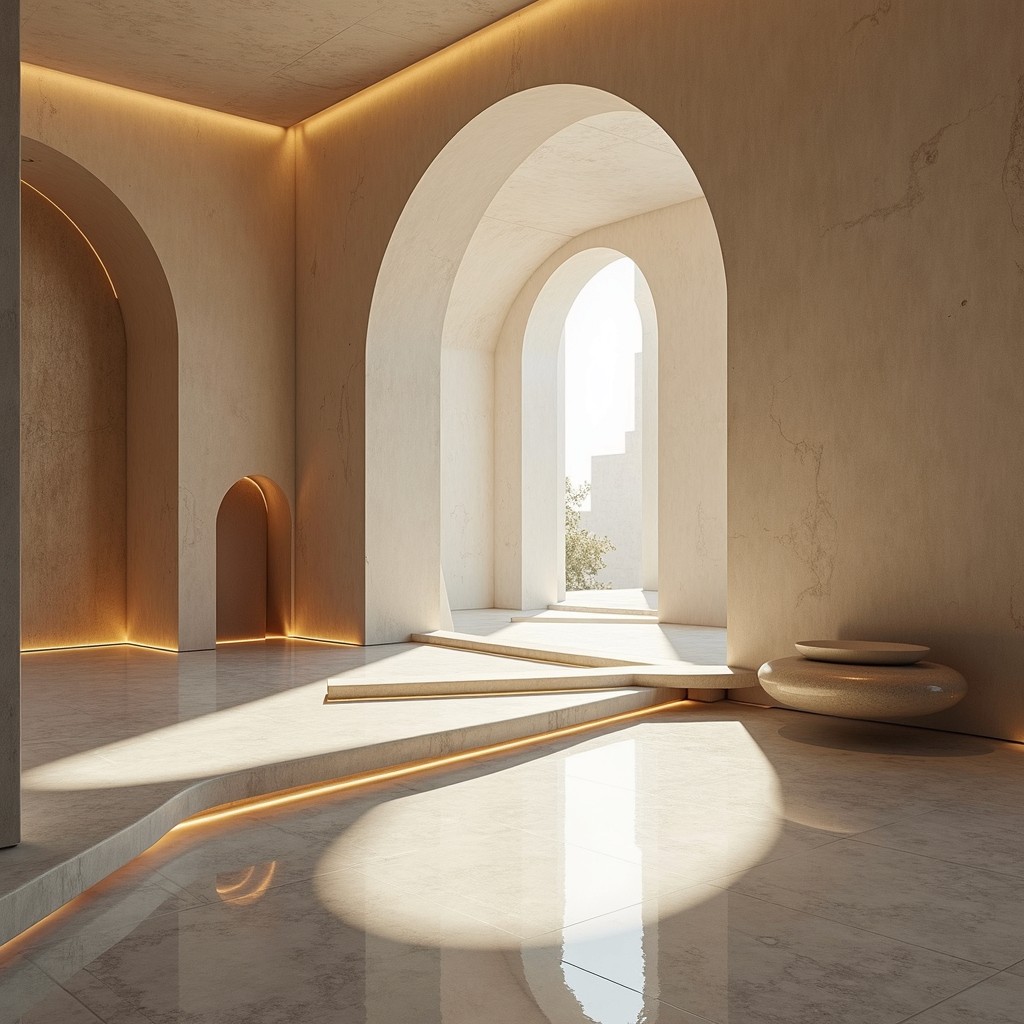
Spatial flow represents the invisible choreography of human movement through architectural spaces. It's the art and science of designing pathways, sightlines, and transitions that guide occupants naturally from one area to another without conscious effort or obstruction.
Unlike basic room layouts or simple traffic patterns, spatial flow encompasses the psychological and emotional journey people experience as they navigate a space. It considers how natural light moves throughout the day, how sounds travel between areas, and how different activities transition seamlessly into one another.
Research from the Environmental Psychology Institute reveals that well-designed spatial flow reduces stress hormones by up to 23% and increases productivity in work environments by 18%. In residential settings, occupants report feeling more relaxed and connected to their homes when space planning prioritizes natural movement patterns.
The psychological impact extends beyond comfort. Spaces with poor flow create subconscious anxiety as our brains constantly work to navigate obstacles and dead ends. Conversely, intuitive spatial flow allows the mind to relax, creating the sense of harmony that defines truly luxurious environments.
Consider Rashid's experience with his Emirates Hills villa. Before renovation, guests consistently gathered in the cramped kitchen despite a grand majlis designed for entertaining. After implementing spatial flow principles, the space now naturally guides visitors through a sequence of experiences: entry courtyard, welcoming foyer, intimate seating area, then the main majlis. The result? A 40% increase in guest satisfaction scores and a space that finally functions as intended.
The Five Pillars of Spatial Flow in Dubai Architecture
Visual connectivity forms the foundation of effective spatial flow. This means creating sightlines that allow occupants to understand the space's organization at a glance. In Dubai's luxury properties, this often involves strategic placement of architectural elements like columns, screens, and level changes that define areas without completely separating them.
Physical circulation paths must accommodate both daily routines and special occasions. A well-designed Dubai villa anticipates everything from morning coffee rituals to large family gatherings during Ramadan. The key lies in creating multiple route options that never force occupants into awkward encounters or dead-end situations.
Functional zoning ensures that related activities flow naturally into one another. The transition from formal dining to casual family time should feel effortless, while private spaces like master bedrooms remain appropriately separated from public areas. This principle becomes especially critical in Dubai's compact high-rise apartments where every square meter matters.
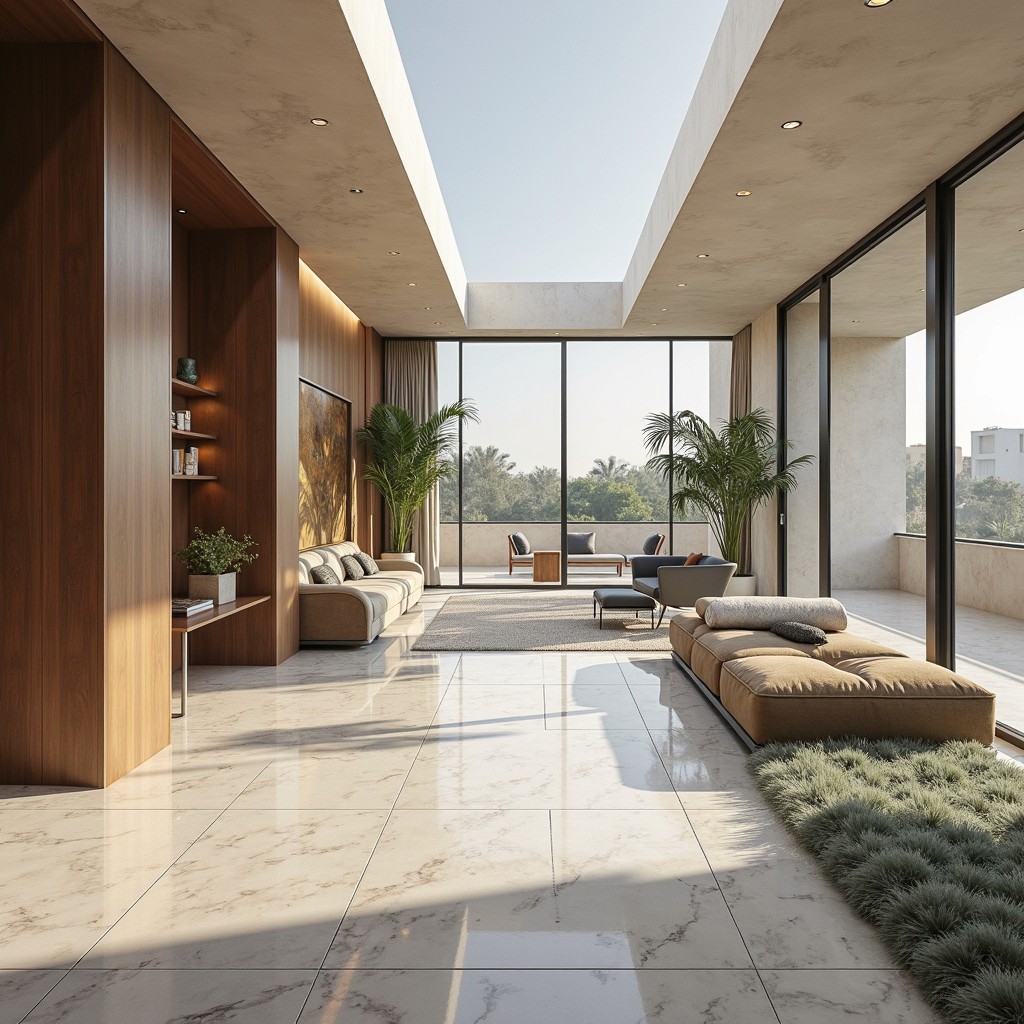
Light flow deserves special attention in Dubai's climate. Natural illumination should move through spaces in ways that enhance the daily rhythm while protecting interiors from harsh afternoon sun. Strategic placement of windows, skylights, and reflective surfaces can create luminous pathways that guide movement while reducing dependence on artificial lighting.
Cultural considerations add another layer of complexity to spatial flow in Dubai. Traditional majlis design principles must integrate with contemporary lifestyle needs. This includes creating appropriate privacy gradients for mixed gatherings and ensuring that sacred spaces maintain their intended separation from everyday activities.
Spatial Flow in Action: Dubai's Diverse Property Types
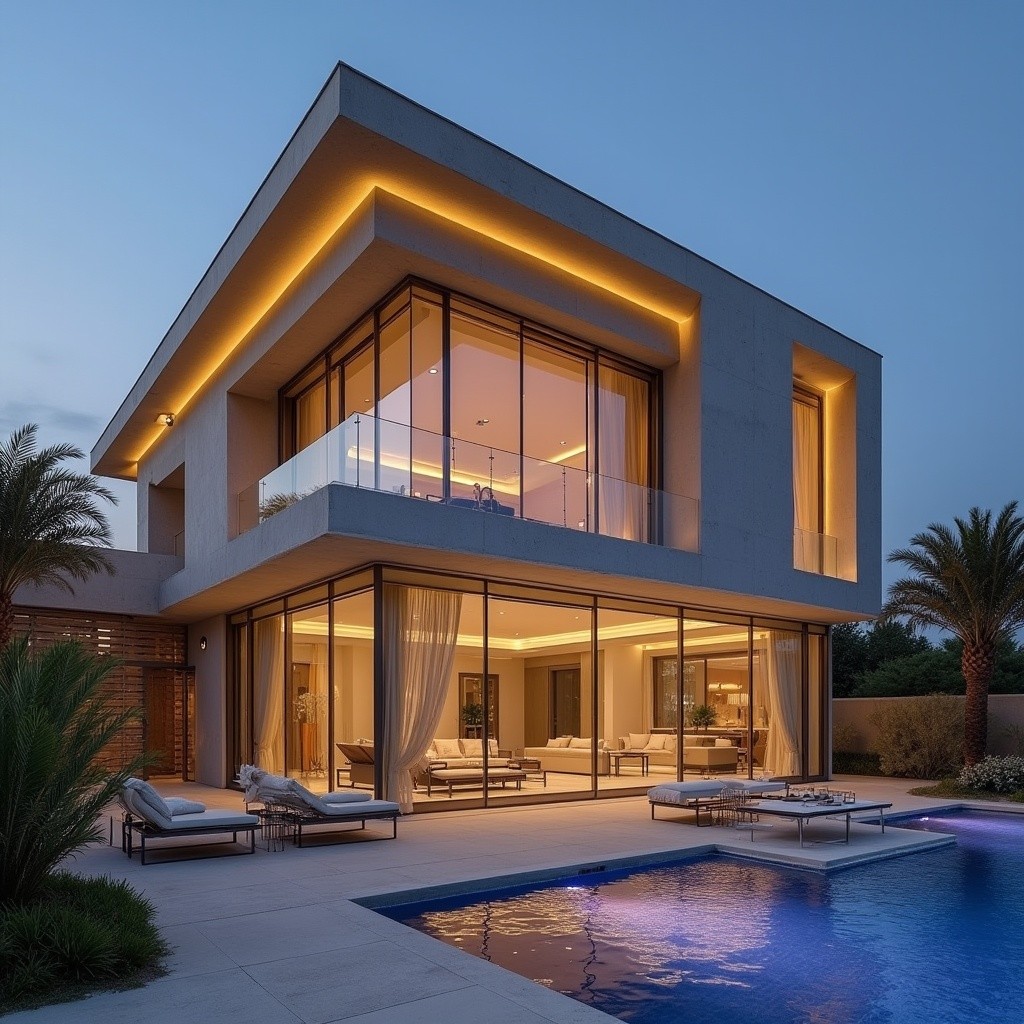
Luxury villas present unique opportunities for creating grand spatial narratives. The challenge lies in connecting multiple levels and outdoor areas while maintaining intimate zones for daily family life. Successful villa design creates a hierarchy of spaces that gradually reveal themselves as occupants move through the property.
High-rise apartments demand creative solutions for vertical living. Without the luxury of horizontal expansion, spatial flow must work within compact footprints to create the illusion of spaciousness. Strategic use of double-height spaces, mezzanines, and carefully positioned mirrors can dramatically enhance the perception of flow even in smaller units.
Commercial spaces require a different approach entirely. Office design must balance collaboration zones with focused work areas, while retail environments need to guide customers through strategic product journeys. The goal shifts from personal comfort to optimizing business outcomes through thoughtful circulation patterns.
Hospitality venues present the ultimate test of spatial flow mastery. Guests must navigate complex facilities intuitively while staff maintain efficient operational workflows behind the scenes. This dual-purpose design challenge requires sophisticated understanding of both user experience and service delivery.
Last year, the team at Marina Walk restaurant faced declining customer satisfaction despite excellent food and service. The issue? Poor spatial flow that created bottlenecks at the entrance and isolated the outdoor terrace from the main dining area. After redesigning the circulation pattern and adding visual connections between spaces, customer dwell time increased by 35% and revenue per table jumped 22%. The transformation demonstrated how spatial flow directly impacts business performance.
Ready to optimize your space's flow patterns? Our design consultancy services include comprehensive flow analysis and improvement strategies tailored to your specific needs.
Common Spatial Flow Mistakes in Dubai Properties
Blocking natural light pathways ranks as the most frequent spatial flow error in Dubai properties. Homeowners often place large furniture pieces directly in front of windows or create visual barriers that interrupt the sun's journey through their spaces. This mistake not only disrupts flow but also increases cooling costs in Dubai's climate.
Creating dead-end spaces represents another critical flaw that disrupts circulation. These areas become psychological barriers that make spaces feel smaller and less welcoming. Common examples include placing seating areas with only one exit point or designing room layouts that force occupants to retrace their steps to reach other areas.
Ignoring cultural flow patterns proves especially problematic in Dubai's diverse community. Designs that work perfectly in Western contexts may feel uncomfortable for families who prefer traditional separation between public and private areas. Understanding these cultural nuances ensures that spatial flow feels natural for all occupants.
Over-compartmentalization in open-plan designs creates the opposite problem. While some separation enhances function, too many visual barriers can fragment the space and destroy the sense of flow that makes open concepts appealing. The key lies in finding the right balance between openness and definition.
Each of these mistakes has proven solutions. Light pathway issues resolve through strategic furniture placement and the use of transparent or translucent materials. Dead-end problems disappear when designers create circular or figure-eight circulation patterns. Cultural sensitivity requires consultation with families about their specific needs and preferences. Over-compartmentalization fixes involve removing unnecessary barriers while adding subtle definition through level changes, ceiling treatments, or material transitions.
Technology and Tools for Optimizing Spatial Flow
Modern technology has revolutionized how designers analyze and optimize spatial flow. 3D visualization software allows architects to test multiple circulation scenarios before construction begins, saving both time and money while ensuring optimal results.
Virtual reality walkthroughs provide unprecedented insight into how spaces will actually feel. Clients can experience proposed flow patterns firsthand, identifying potential issues that traditional drawings might miss. This technology proves especially valuable for complex projects where spatial relationships are difficult to visualize.
Advanced space planning software includes heat mapping capabilities that show how people naturally move through environments. These tools analyze everything from eye movement patterns to preferred walking speeds, providing data-driven insights that inform design decisions.
Smart home integration offers new possibilities for enhancing spatial functionality. Automated lighting systems can guide movement through spaces while climate control zones optimize comfort in different areas. These technologies work behind the scenes to support the spatial flow principles established during design.
Fatima's experience with her Palm Jumeirah penthouse renovation illustrates technology's impact. Using virtual reality, she discovered that her preferred furniture layout would create an uncomfortable bottleneck near the kitchen island. The VR walkthrough revealed the issue months before construction, allowing for adjustments that resulted in a 30% improvement in circulation efficiency. The final space exceeded her expectations precisely because technology allowed her to experience it before it was built.
Creating Your Perfect Spatial Flow: A Dubai Homeowner's Action Plan
Start by conducting a thorough assessment of your current space's flow patterns. Walk through your home at different times of day, noting where you encounter obstacles, where natural light feels blocked, and which areas you consistently avoid. Document these observations with photos and simple sketches that capture problem areas.
Budget-friendly improvements often yield dramatic results without major construction. Repositioning furniture to create clear pathways, adding mirrors to enhance visual connections, and removing unnecessary barriers can transform spatial flow for minimal investment. These changes typically cost under AED 10,000 but can dramatically improve daily living experience.
Comprehensive redesigns become necessary when structural elements create fundamental flow problems. Issues like load-bearing walls that interrupt circulation or poorly positioned staircases may require professional intervention and significant investment. These projects typically range from AED 50,000 to AED 200,000 depending on scope and complexity.
Professional space planning services provide the expertise needed for complex spatial challenges. Experienced designers understand Dubai's building codes, cultural considerations, and climate factors that impact spatial flow decisions. They can also coordinate with contractors and authorities to ensure seamless project execution.
Timeline expectations vary based on project scope. Simple furniture rearrangements can improve flow immediately, while minor renovations typically require 4-6 weeks. Major structural changes may take 3-6 months including design, approvals, and construction phases. Planning ahead ensures minimal disruption to your daily routine.
Transform your space with confidence through our comprehensive turnkey solutions. Contact our team today to schedule your spatial flow assessment and discover how optimized design can enhance your Dubai property's value and livability. Visit our contact page to begin your journey toward perfectly flowing spaces.
Contact Xena Interior Design for more details, design ideas and fit out services.
Mobile: +971 585643700
Email: info@xenainteriordesign.com