What Does Spatial Flow Mean? Dubai Interior Design Guide
2025-05-30
Overview:
Complete guide to understanding spatial flow in Dubai interior design, covering principles, challenges, and optimization techniques for luxury properties.
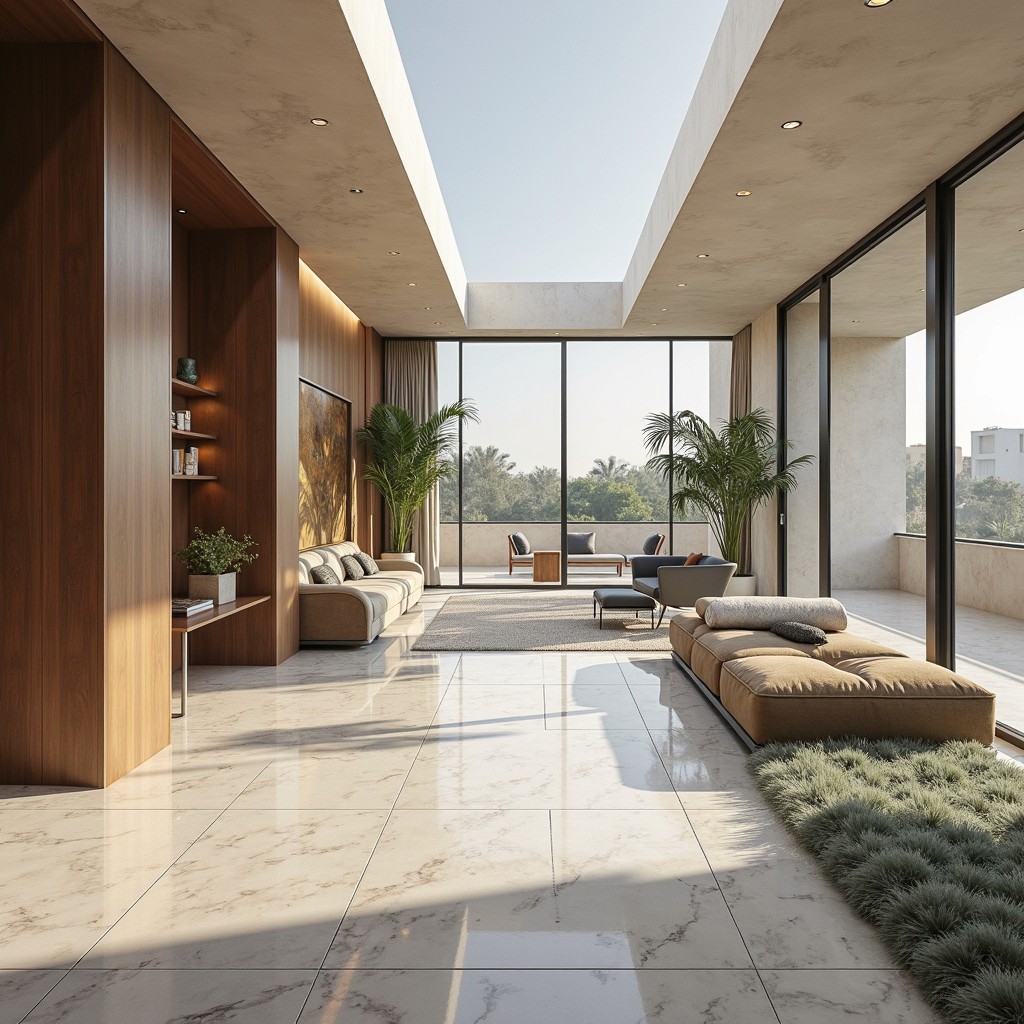
Why does a 15,000 square foot Emirates Hills villa feel cramped while a 2,000 square foot Downtown Dubai apartment feels spacious? The answer lies in a design principle that most homeowners never hear about: spatial flow. Last year, Amira Al-Mansouri discovered this firsthand when she moved from her sprawling Jumeirah villa to a compact apartment in Dubai Marina. Despite losing 80% of her square footage, she felt more comfortable and relaxed in her new home. The difference wasn't the size, it was how the spaces connected and moved together. What does spatial flow mean in interior design? It's the invisible current that guides movement through your home, creating either harmony or chaos in your daily life. This principle determines whether your Dubai property feels like a luxury sanctuary or an expensive maze. Understanding spatial flow can transform any space, regardless of size or budget.
Understanding Spatial Flow: The Foundation of Exceptional Design
Spatial flow refers to how people move through and experience connected spaces in a building. It's the choreography of human movement, guiding residents and guests naturally from one area to another without confusion or obstruction.
Unlike basic room layout, which focuses on individual spaces, spatial flow considers the entire property as one connected experience. Think of it as the difference between designing separate boxes versus creating a symphony of interconnected spaces.
Research from the Environmental Psychology Institute shows that poor spatial flow increases stress hormones by up to 23% in residents. Your brain constantly processes movement patterns, and when these feel unnatural or blocked, it creates subconscious tension.
Circulation patterns form the backbone of spatial flow. These invisible highways guide movement between functional zones while maintaining visual connections. In Dubai's luxury properties, this becomes crucial for entertaining guests while preserving family privacy.
Ready to transform your Dubai property with professional space planning? Our team specializes in creating seamless flow patterns that enhance both functionality and luxury.
Key Elements That Create Perfect Spatial Flow in Dubai Homes
Sight lines create the foundation of spatial flow by establishing visual connections between spaces. When you can see from your majlis into the dining area, it creates a sense of openness even when walls exist.
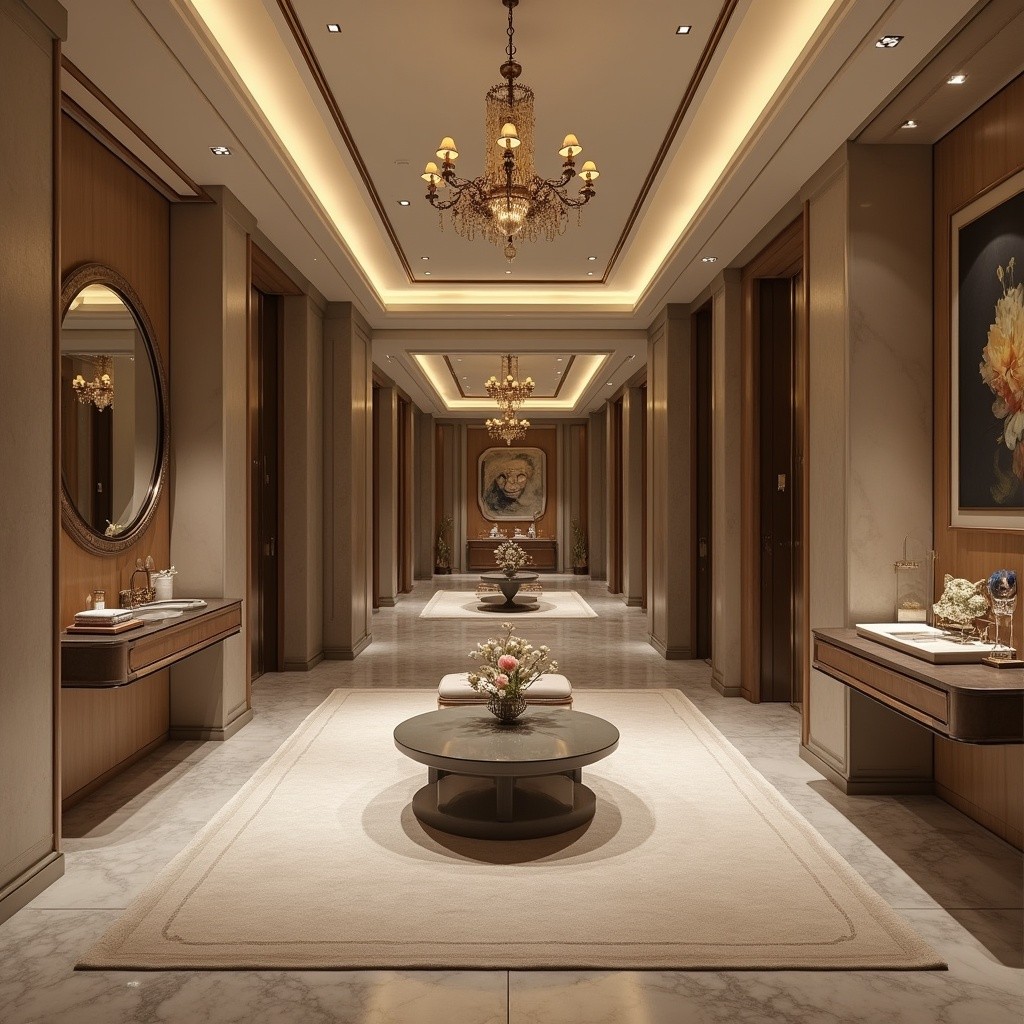
Transition zones act as breathing spaces between different functional areas. These might include a wide hallway with artwork, a console table with decorative objects, or a subtle change in flooring materials that signals movement between spaces.
Furniture placement either supports or destroys spatial flow. A sofa positioned perpendicular to traffic flow creates natural movement, while one blocking a pathway forces awkward navigation around it.
Natural light integration amplifies spatial flow by drawing the eye and body toward bright areas. Dubai's abundant sunshine becomes a powerful tool for guiding movement when properly channeled through strategic window placement and mirror positioning.
Rashid Hassan experienced this transformation firsthand in his Palm Jumeirah villa renovation. Before redesign, guests consistently got lost trying to find the powder room during dinner parties. After implementing clear sight lines and transition zones, his home now guides visitors naturally through each space. Entertainment flows seamlessly from the formal majlis to the outdoor terrace, with each transition feeling intentional and welcoming.
Spatial Flow Challenges Unique to Dubai Architecture
Traditional Arabic architectural elements like mashrabiya screens and courtyard layouts require careful integration with modern open-plan concepts. These cultural features provide privacy and climate control but can interrupt visual flow if not properly planned.
Dubai's cultural emphasis on family privacy creates unique flow challenges. Homes need separate circulation paths for family and guests, particularly in traditional Emirati households where gender-specific spaces remain important.
High-rise apartment constraints limit spatial flow options compared to villas. Developers often prioritize maximizing square footage over optimizing movement patterns, leaving residents to solve flow problems post-purchase.
Climate considerations affect indoor-outdoor flow more dramatically in Dubai than temperate climates. The extreme summer heat means outdoor spaces remain unused for months, requiring interior flow patterns that don't rely on external connections.
Balancing grandeur with functionality presents ongoing challenges in Dubai's luxury market. Impressive double-height ceilings and grand staircases can actually impede practical daily flow if not carefully integrated into the overall circulation strategy.
Whether you're planning a villa design or optimizing an apartment layout, addressing these regional challenges early in the design process prevents costly modifications later.
Professional Techniques for Optimizing Spatial Flow
Professional space planning begins with mapping current movement patterns through detailed observation and measurement. Designers track how residents actually use spaces versus how they're intended to be used.
3D visualization technology allows testing of flow patterns before construction begins. Virtual walkthroughs reveal potential bottlenecks and awkward transitions that aren't obvious in 2D floor plans.
Furniture selection focuses on pieces that enhance rather than obstruct movement. Round dining tables improve flow compared to rectangular ones, while ottomans provide seating without permanent traffic barriers.
Focal points strategically placed throughout the space guide natural circulation patterns. A stunning piece of art at the end of a hallway draws people forward, while a beautiful view through a window pulls movement toward that direction.
The design team at Emirates Financial Towers discovered this principle's power during their office renovation last spring. Employee productivity increased 31% after implementing clear circulation paths and strategic focal points. Workers no longer wasted time navigating confusing layouts, and collaboration improved when team members could easily find and reach each other.
Smart home technology integration supports spatial flow through automated lighting that guides movement and climate control that maintains comfort throughout circulation paths. These systems respond to occupancy patterns, enhancing the natural flow experience.
Spatial Flow in Different Property Types Across Dubai
Villa design requires creating smooth transitions between formal entertaining spaces and casual family areas. The challenge lies in maintaining grandeur while ensuring daily functionality for residents of all ages.
Apartment living demands maximum efficiency from limited square footage. Every corridor and transition must serve multiple purposes while maintaining clear circulation paths to avoid the cramped feeling common in compact spaces.
Commercial spaces optimize flow for both employee productivity and customer experience. Retail environments guide shopping journeys, while offices balance collaboration zones with focused work areas.
Hospitality design manages complex flow patterns for different user groups simultaneously. Hotels must accommodate guest circulation, service staff movement, and emergency egress without conflicts.
The transformation of Zuma restaurant in DIFC exemplifies masterful commercial flow design. Chef Ahmed Khalil worked with designers to create circulation that allows service staff to move efficiently while diners enjoy uninterrupted experiences. Kitchen-to-table flow reduced service time by 40%, while guest circulation creates natural gathering points that enhance the social dining atmosphere. Revenue increased 28% in the first quarter after reopening, directly attributed to improved spatial flow.
Retail environments use flow psychology to guide customer journeys through strategic placement of displays, lighting, and circulation paths that naturally lead to higher-margin products.
Measuring and Improving Spatial Flow in Your Dubai Property
Assessment begins with timing movement patterns throughout your property during different times of day. Track how long it takes to move between frequently used spaces and note any areas where you consistently pause or feel confused.
Common flow problems include dead-end corridors, furniture blocking natural pathways, inadequate lighting in transition areas, and missing visual connections between related spaces. These issues compound over time, creating increasingly frustrating daily experiences.
Professional design consultancy becomes valuable when flow problems affect multiple spaces or require structural modifications. Experienced designers quickly identify solutions that property owners might miss.
According to Dubai's Land Department statistics, properties with optimized spatial flow maintain 15% higher resale values compared to similar properties with poor circulation patterns. The investment in proper flow design pays dividends both in daily comfort and long-term property value.
Your next step depends on your property's current condition and your goals. Minor improvements like furniture repositioning and lighting adjustments can often be implemented immediately, while major renovations require professional planning and municipal approvals.
Ready to unlock your Dubai property's full potential? Contact our design team to schedule a spatial flow assessment and discover how proper circulation design can transform your daily living experience into something truly extraordinary.
Contact Xena Interior Design for more details, design ideas and fit out services.
Mobile: +971 585643700
Email: info@xenainteriordesign.com