Interior Design Business Description Dubai Guide 2025
2025-04-12

Overview:
Understand how interior design businesses work in Dubai, including services, models, client types, approvals, pricing, and project delivery.
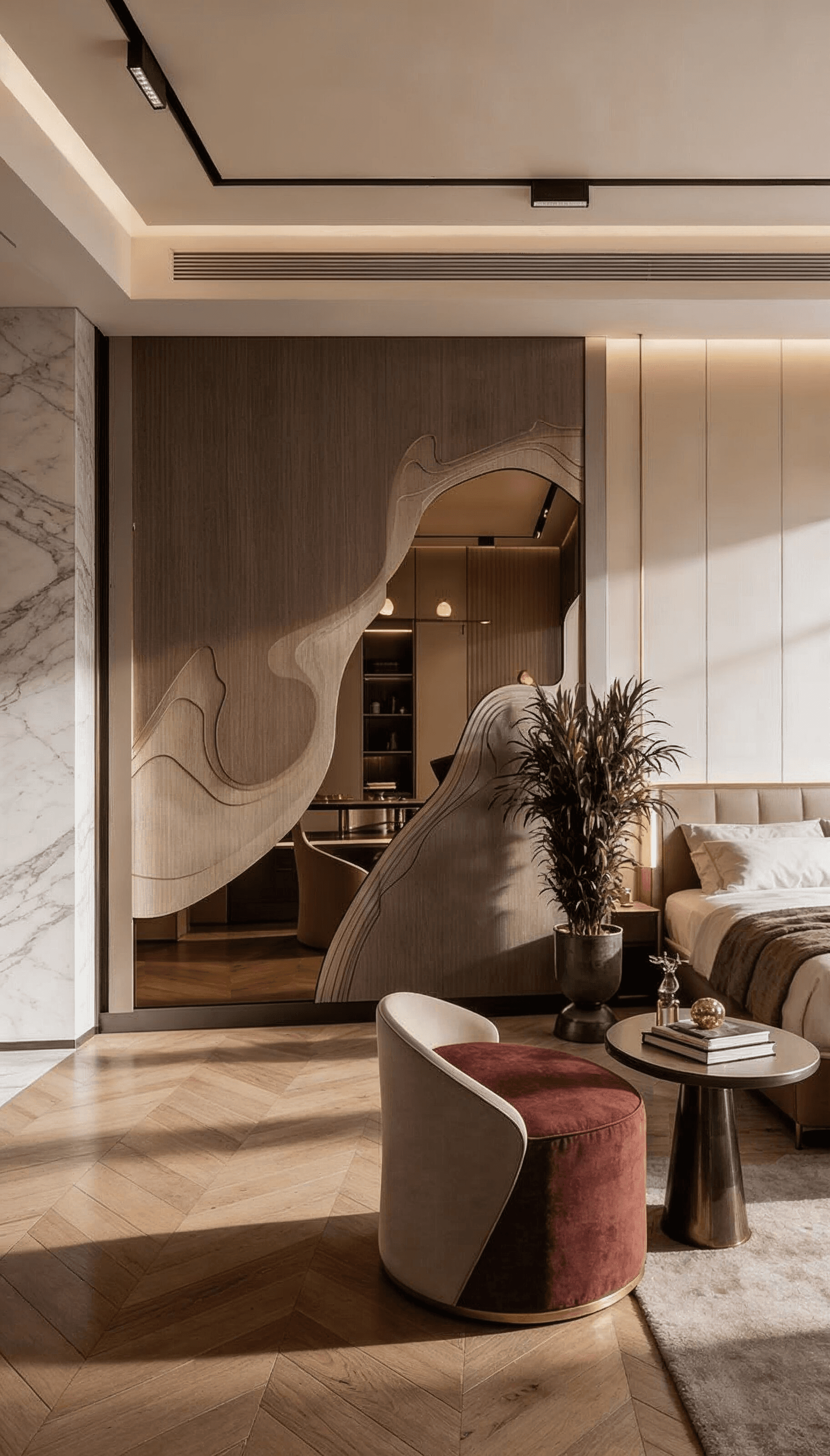
Interior Design Business Description Dubai Guide matters because Dubai clients are not only buying a look; they are investing in comfort, property value, construction quality, and long-term usability. A successful interior or exterior project has to account for climate, authority approvals, material lead times, lifestyle expectations, and the way each room supports daily routines. This guide explains the key decisions behind interior design business description dubai guide, what to compare before hiring a design partner, and how to avoid common mistakes that create delays or unnecessary cost. Use it as a practical starting point for planning a villa, apartment, commercial space, or full design-and-build project in Dubai.
The Interior Design Business Landscape in Dubai's Luxury Market
Dubai's interior design business encompasses companies that create functional, aesthetically pleasing interior spaces through comprehensive planning, design, and execution services. These businesses combine creative vision with technical expertise to transform residential, commercial, and hospitality environments.
The city's strategic position as the Middle East's design hub attracts international talent and clients seeking world-class interior design services. Major projects range from luxury villas in Emirates Hills to flagship retail stores in Dubai Mall. The market serves diverse clientele including Emirati families, expatriate executives, multinational corporations, and global hospitality brands.
Industry projections indicate 12% annual growth through 2025, driven by ongoing construction projects, tourism expansion, and Expo 2020's lasting impact. The luxury segment particularly flourishes, with high-end residential projects averaging AED 2,000-5,000 per square foot for complete design and build services.
In 2023, the Xena team completed a stunning Emirates Hills villa transformation for the Al-Mansouri family. The 18-month project involved redesigning 12,000 square feet across four levels, incorporating traditional Emirati elements with contemporary luxury. The AED 4.2 million investment increased the property's market value by 35%, demonstrating how strategic design drives tangible returns.
Ready to explore how professional design can transform your space? Discover our comprehensive design services and see why Dubai's discerning clients choose integrated solutions.
Core Services That Define Interior Design Businesses
Space planning forms the foundation of interior design business operations. Designers analyze existing layouts, traffic flow patterns, and functional requirements to optimize spatial arrangements. This technical process involves detailed measurements, building code compliance, and ergonomic considerations that maximize both efficiency and comfort.
3D visualization and mood board creation help clients visualize proposed designs before construction begins. Advanced software produces photorealistic renderings showing lighting effects, material textures, and spatial relationships. This service reduces costly changes during implementation and ensures client satisfaction.
Material selection and procurement represent significant business components. Designers source everything from Italian marble to custom-made furniture, managing vendor relationships, quality control, and delivery schedules. Many firms maintain showrooms displaying fabric samples, stone selections, and furniture pieces to facilitate client decision-making.
Project management and execution distinguish professional design firms from decorators. Teams coordinate contractors, electricians, plumbers, and specialty craftsmen throughout construction phases. Timeline management, budget control, and quality assurance ensure projects complete on schedule and within budget parameters.
Authority approvals and compliance represent crucial Dubai-specific services. Designers navigate Dubai Municipality regulations, DEWA requirements, and community association guidelines. This expertise prevents costly delays and ensures all work meets local safety and aesthetic standards.
Specialized services include majlis design for traditional reception areas, hospitality design for hotels and restaurants, and retail design for commercial spaces. Each specialty requires specific cultural knowledge, functional understanding, and regulatory compliance expertise.
Types of Interior Design Business Models in Dubai
Full-service design and build companies offer comprehensive solutions from initial concept through final installation. These firms employ architects, designers, project managers, and construction teams under one roof. Clients benefit from streamlined communication, unified accountability, and integrated timelines.
Consultation-only firms focus exclusively on design development without construction management. These businesses create detailed plans, specifications, and material selections for client implementation. Lower overhead costs allow competitive pricing, but clients must coordinate separate contractors and suppliers.
Specialized niche providers concentrate on specific market segments like luxury residential, corporate offices, or hospitality venues. Deep expertise in chosen areas enables premium pricing and referral-based growth. However, market fluctuations in specific sectors can impact revenue stability.
Turnkey solution providers handle every project aspect from permits to final styling. Clients receive completed spaces ready for immediate occupancy. This model appeals to busy executives and international investors seeking hassle-free experiences.
In 2024, Khalid and Noura engaged Xena for their Palm Jumeirah villa renovation. The 8-month timeline included structural modifications, luxury finishes, and smart home integration. The couple traveled extensively for business, making turnkey service essential. Upon return, they found their dream home complete with personalized artwork and fresh flowers, ready for immediate enjoyment.
Xena's integrated approach differs from traditional competitors through combined design expertise and construction capabilities. While many firms subcontract building work, our in-house teams ensure quality control and timeline adherence throughout every project phase.
Target Markets and Client Categories
High-net-worth individuals and villa owners represent the luxury residential market segment. These clients typically invest AED 1-10 million in complete home transformations. Projects often include multiple properties across Dubai's premium communities like Emirates Hills, Palm Jumeirah, and Jumeirah Golf Estates.
Commercial clients and office design projects range from startup headquarters to multinational corporation regional offices. Modern workplace design emphasizes employee wellness, collaboration zones, and flexible configurations. Investment levels typically range from AED 500-2,000 per square foot depending on finishes and technology integration.
The hospitality sector encompasses hotels, resorts, restaurants, and entertainment venues. These projects require specialized knowledge of traffic flow, durability requirements, and brand consistency. Restaurant design particularly demands understanding of kitchen workflows, seating optimization, and ambiance creation.
Retail and F&B establishments need designs that drive customer engagement and sales conversion. Strategic lighting, product display systems, and customer journey mapping influence purchasing decisions. Successful retail design can increase revenue by 15-40% through improved customer experience and operational efficiency.
Real estate developers commission interior design for show units, common areas, and amenity spaces. These projects showcase property potential to prospective buyers and establish development identity. Collaboration often extends across multiple phases as projects progress from initial sales to final delivery.
Education facilities and learning environments require specialized understanding of student needs, safety regulations, and pedagogical principles. Modern educational design promotes interactive learning, natural lighting, and flexible classroom configurations that adapt to various teaching methods.
Explore our diverse project portfolio showcasing successful transformations across all market segments, from intimate residential spaces to grand commercial developments.
Revenue Streams and Business Operations
Design consultation fees and retainers provide predictable income streams for interior design businesses. Initial consultation rates range from AED 500-2,000 per hour depending on designer experience and project complexity. Retainer agreements secure designer availability and provide cash flow during project development phases.
Project-based pricing models vary significantly based on scope, timeline, and finish quality. Residential projects typically charge 15-25% of total construction costs as design fees. Commercial projects may use fixed-fee structures ranging from AED 100-500 per square foot for complete design development.
Product markup and procurement profits represent substantial revenue opportunities. Design firms typically mark up furniture, lighting, and accessories by 20-50% above wholesale costs. Exclusive vendor relationships and bulk purchasing power enable competitive pricing while maintaining healthy margins.
Ongoing maintenance and support services generate recurring revenue through seasonal updates, warranty work, and minor modifications. Many luxury clients appreciate having trusted designers handle all aesthetic decisions, creating long-term relationships spanning multiple properties and years.
Last year, Xena completed a sophisticated restaurant design for chef Ahmed's new venture in City Walk. The contemporary Arabic concept increased opening week revenue by 40% compared to initial projections. Strategic seating arrangements accommodated 20% more guests without compromising comfort, while carefully planned lighting created Instagram-worthy moments that drove organic social media promotion.
Typical project timelines range from 3-6 months for apartment renovations to 12-24 months for complete villa transformations. Investment ranges vary dramatically: luxury apartments start around AED 300,000 for complete redesigns, while premium villas can exceed AED 5 million including construction and furnishing.
Skills and Qualifications Required
Educational backgrounds typically include interior design degrees, architecture qualifications, or related creative disciplines. International certifications like NCIDQ (National Council for Interior Design Qualification) enhance credibility and demonstrate professional competency to discerning clients.
Technical skills encompass CAD software proficiency, 3D modeling capabilities, and space planning expertise. Modern designers must master programs like AutoCAD, SketchUp, 3ds Max, and specialized rendering software. Hand-sketching abilities remain valuable for initial concept communication and client presentations.
Cultural sensitivity proves essential in Dubai's diverse marketplace. Understanding Emirati traditions, Islamic design principles, and international aesthetic preferences enables designers to create culturally appropriate solutions. Language skills in Arabic, English, and other regional languages expand client accessibility.
Project management and client relations skills determine business success beyond creative abilities. Designers must coordinate multiple stakeholders, manage budgets, resolve conflicts, and maintain client satisfaction throughout lengthy project timelines. Strong communication prevents misunderstandings and ensures smooth project execution.
Understanding local regulations and approval processes distinguishes professional practitioners from amateur decorators. Dubai Municipality requirements, building codes, fire safety standards, and community guidelines must be thoroughly understood to avoid costly mistakes and delays.
Career progression paths in Dubai's market typically advance from junior designer to senior designer, project manager, and eventually firm principal or independent practice owner. Specialization in luxury residential, commercial, or hospitality design can command premium rates and exclusive client relationships.
Starting Your Interior Design Journey in Dubai
Business setup requirements include obtaining appropriate licenses from Dubai's Department of Economic Development. Interior design firms typically register as Limited Liability Companies (LLCs) with 51% UAE national ownership or establish in free zones allowing 100% foreign ownership. Professional liability insurance protects against design errors and project disputes.
Building a portfolio and client base requires strategic networking and exceptional project documentation. New designers often begin with smaller residential projects, gradually building reputation and referral networks. High-quality photography, detailed case studies, and client testimonials create compelling marketing materials.
Networking within Dubai's design community opens doors to collaboration opportunities and referral sources. Professional organizations like the International Interior Design Association provide education, certification, and networking platforms. Industry events, trade shows, and design weeks facilitate relationship building with potential clients and vendors.
Investment requirements and startup costs vary significantly based on business model and target market. Consultation-only practices may start with AED 50,000-100,000 for office setup, software licenses, and marketing materials. Full-service firms require substantially higher capital for showroom space, inventory, and construction capabilities, often exceeding AED 500,000.
Success metrics include project profitability, client satisfaction scores, repeat business rates, and referral generation. Growing firms typically reinvest 10-15% of revenue into marketing, technology upgrades, and staff development to maintain competitive positioning.
Ready to transform your space with Dubai's premier design experts? Contact Xena Design & Build today for a consultation and discover how our integrated approach creates extraordinary environments that enhance your lifestyle and property value.
Contact Xena Interior Design for more details, design ideas and fit out services.
Mobile: +971 585643700
Email: info@xenainteriordesign.com