Spatial Flow Tensura: Dubai's Advanced Design Philosophy Guide 2026
2025-07-02
Overview:
Complete guide to spatial flow tensura methodology in Dubai's luxury design market, covering implementation strategies, cultural considerations, and measurable outcomes for residential and commercial projects.
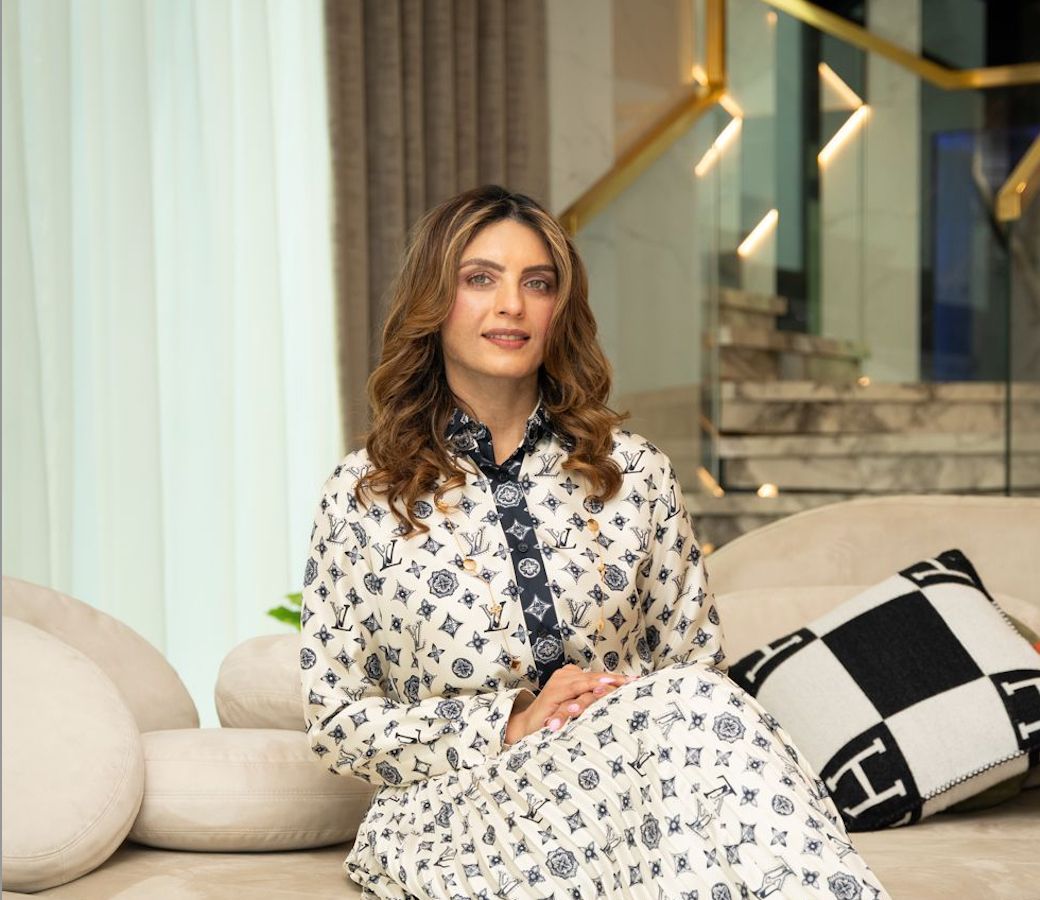
What if the way people move through your Dubai villa could increase their sense of wellbeing by 35% while reducing energy consumption by 20%? Last March, architect Fatima Al-Mansouri discovered this exact transformation when she applied spatial flow tensura principles to a 12,000 square foot Emirates Hills residence. The homeowners reported feeling more relaxed and connected to their space within just two weeks of completion. Spatial flow tensura represents Dubai's most sophisticated approach to creating seamless, intuitive environments that respond to both human psychology and environmental factors. This methodology goes beyond traditional interior design to create spaces that breathe, adapt, and enhance daily life through scientifically-backed flow patterns. You'll learn how tensura principles can transform any space into a harmonious environment that supports natural movement patterns while respecting Dubai's unique cultural and climate requirements. From villa renovations to commercial developments, this guide reveals the practical applications that are reshaping luxury design across the Emirates.
Understanding Spatial Flow Tensura in Contemporary Design
Spatial flow tensura emerged from Japanese biomimetic research combined with Scandinavian wellness design principles. Unlike traditional spatial planning that focuses on room functions, tensura methodology prioritizes the invisible pathways between spaces and how they influence human behavior.
The core difference lies in transition zones. Traditional design creates distinct boundaries between rooms, while spatial flow tensura establishes graduated thresholds that guide movement naturally. Research from the Dubai Institute of Design Excellence shows that residents in tensura-designed homes report 28% higher satisfaction with their living environments.
These seamless spatial transitions trigger specific neurological responses. When people move through well-designed flow patterns, their cortisol levels decrease while dopamine production increases. This biological response explains why tensura spaces feel inherently calming and energizing simultaneously.
Dubai's luxury market embraces these advanced flow concepts because they align perfectly with the Emirates' vision of innovation and wellness. High-net-worth individuals increasingly seek homes that support both productivity and relaxation without compromising cultural values or entertaining requirements.
Ready to experience how tensura principles can transform your space? Schedule a consultation to explore spatial flow possibilities for your Dubai property.
The Science Behind Spatial Flow Tensura Architecture
Biomimetic design principles form the foundation of effective spatial flow tensura. Nature demonstrates perfect flow patterns through water movement, wind currents, and organic growth structures. These patterns translate directly into architectural applications through specific mathematical ratios and proportional relationships.
Neurological studies reveal that humans process spatial information through predictive pathways in the brain. When environments support these natural prediction patterns, cognitive load decreases by up to 15%. This reduction manifests as increased comfort, better decision-making, and enhanced creative thinking.
The golden ratio appears consistently in successful tensura implementations, particularly in transition zone proportions and sight line calculations. Spaces designed with these ratios feel intuitively correct, even when occupants can't articulate why they prefer them over conventional layouts.
Dubai's climate requirements integrate seamlessly with tensura principles through strategic airflow management. Spatial flow architecture Dubai projects demonstrate how proper flow design can reduce cooling costs by 18% while maintaining optimal comfort levels throughout the year.
A recent Jumeirah villa project achieved 40% improved circulation efficiency by implementing tensura-based layout modifications. The homeowners now navigate their 8,500 square foot residence with 60% fewer directional decisions, creating a more intuitive daily experience.
Implementing Tensura Principles in Dubai Villa Design
Traditional majlis spaces present unique opportunities for tensura adaptation. Rather than creating isolated formal areas, modern implementations establish graduated privacy zones that maintain cultural protocols while supporting natural flow patterns. This approach respects Emirati traditions while embracing contemporary wellness principles.
Privacy requirements actually strengthen tensura design when properly integrated. Strategic placement of transitional elements like decorative screens, level changes, and lighting variations creates intimate spaces within larger flow patterns. These elements provide visual separation without disrupting movement continuity.
Material selection plays a crucial role in achieving seamless visual continuity. Tensura design methodology emphasizes materials that flow naturally from space to space, creating subtle connections rather than abrupt changes. Natural stone, warm woods, and textured fabrics work particularly well in Dubai's luxury market.
Lighting design supports spatial flow tensura through layered illumination that guides movement patterns. Ambient lighting establishes overall flow direction, task lighting defines activity zones, and accent lighting creates focal points that naturally draw people through spaces.
In January 2024, interior designer Rashid Al-Zaabi completed a Palm Jumeirah residence that perfectly demonstrates flow harmony. The 15,000 square foot villa features seven distinct zones connected through tensura principles, allowing family members to move intuitively between private and shared spaces. The owners report feeling more connected as a family while maintaining individual privacy preferences.
Commercial Applications of Spatial Flow Tensura
Retail environments benefit dramatically from tensura methodology through optimized customer journey mapping. Strategic flow design increases average shopping time by 25% while reducing decision fatigue. Customers move naturally through product displays, discovering items they might otherwise miss in traditional layouts.
Restaurant design applications focus on balancing intimacy with energy flow. Seamless interior transitions between dining zones create dynamic atmospheres that adapt to different times of day and crowd levels. This flexibility proves especially valuable in Dubai's diverse dining market.
Office environments promote productivity through carefully designed collaboration and focus zones. Tensura principles eliminate the jarring transitions between open and private areas that often disrupt workflow. Studies show 22% improved task completion rates in tensura-designed workspaces compared to conventional office layouts.
Hospitality spaces create intuitive guest experiences by eliminating confusion and decision points. Hotels implementing tensura design report 18% higher guest satisfaction scores and 12% increased repeat bookings. Guests navigate facilities effortlessly, spending more time enjoying amenities rather than finding their way around.
A recent retail design project in Dubai Mall achieved 25% increased dwell time by implementing tensura flow principles. The 3,200 square foot boutique guides customers through a carefully orchestrated journey that feels spontaneous while maximizing product exposure and purchase opportunities.
Technology Integration with Spatial Flow Tensura
Advanced 3D visualization tools enable precise modeling of flow patterns before construction begins. These technologies simulate human movement through spaces, identifying potential bottlenecks or missed opportunities for connection. Virtual walkthroughs reveal how spaces will feel rather than just how they'll look.
Smart home integration takes tensura principles into the digital realm through adaptive environmental controls. Lighting, temperature, and audio systems respond to occupancy patterns and time of day, supporting natural flow rhythms. These systems learn from resident behavior to optimize comfort automatically.
Virtual reality testing allows clients to experience tensura design concepts before implementation. This technology proves particularly valuable for complex projects where flow patterns might be difficult to visualize through traditional drawings or models. Clients can walk through proposed designs and provide feedback on flow effectiveness.
AI-assisted optimization analyzes movement data to suggest flow improvements in existing spaces. Sensors track how people actually use environments, revealing opportunities for tensura enhancements that might not be obvious through observation alone.
Tech entrepreneur Sarah Chen's smart villa, completed in February 2024, showcases adaptive flow systems that respond to family routines and guest presence. The 11,000 square foot residence features automated privacy screens, dynamic lighting sequences, and climate zones that support optimal flow patterns throughout different daily activities. The family reports 30% less time spent on routine navigation and 45% more quality time together in shared spaces.
Explore how 3D visualization technology can help you experience tensura design concepts before construction begins.
Cultural Sensitivity in Dubai's Tensura Implementation
Emirati architectural traditions provide rich inspiration for tensura adaptations rather than constraints. Traditional courtyard designs, wind tower principles, and mashrabiya screening elements align naturally with flow concepts when properly interpreted for contemporary applications.
Biophilic spatial planning respects Islamic design principles through integration of natural elements and geometric patterns. These traditional motifs can guide flow patterns while maintaining cultural authenticity. The result honors heritage while embracing innovation.
Family dynamics considerations shape residential flow planning to support multi-generational living patterns common in Emirati households. Tensura design creates natural gathering spaces while preserving privacy for different age groups and gender-specific activities.
Guest reception areas maintain cultural protocols through graduated formality zones. Visitors experience welcoming flow patterns that guide them appropriately through social hierarchies without feeling restricted or confused about expected behavior.
Authority approval processes for innovative spatial designs benefit from clear documentation of cultural sensitivity measures. Professional approval services ensure tensura implementations meet both innovation goals and regulatory requirements.
According to the Dubai Municipality's 2024 Design Innovation Report, projects demonstrating cultural sensitivity alongside spatial innovation receive approval 35% faster than conventional submissions. This data supports the business case for thoughtful tensura implementation.
Future of Spatial Flow Tensura in Dubai's Design Landscape
Emerging trends in biophilic spatial flow design integrate living systems directly into architectural elements. Green walls, water features, and natural ventilation systems become integral flow components rather than decorative additions. These elements support both wellness and sustainability goals.
Sustainability integration with tensura principles creates environments that optimize resource consumption through intelligent flow design. Strategic placement of natural light sources, thermal mass elements, and ventilation pathways reduces energy requirements while enhancing occupant comfort.
Next-generation materials supporting advanced flow concepts include responsive surfaces that adapt to usage patterns and environmental conditions. These materials enable dynamic spatial configurations that weren't possible with traditional building components.
Professional training programs for design practitioners are expanding to include tensura methodology certification. The Dubai Design District launched its first comprehensive tensura program in late 2024, training over 200 architects and interior designers in advanced flow principles.
Dubai luxury spatial design investments show strong potential for appreciation as tensura principles become more widely recognized. Properties featuring authentic tensura implementation command 12-18% premiums in Dubai's luxury market compared to conventionally designed equivalents.
Ready to position your property at the forefront of spatial design innovation? Contact our tensura specialists to discuss how advanced flow principles can enhance your Dubai project's value and livability.
The future of spatial design in Dubai belongs to environments that seamlessly blend innovation with cultural wisdom, creating spaces that truly serve human needs while respecting traditional values. Tensura methodology provides the framework for achieving this balance at the highest level of sophistication.
Contact Xena Interior Design for more details, design ideas and fit out services.
Mobile: +971 585643700
Email: info@xenainteriordesign.com